
No products in the cart.
9 Fun Facts About Thailand 🇹🇭
Let’s dive into the colorful world of Thai culture and discover what makes the Land of Smiles so unique!
Thailand isn’t just famous for its stunning beaches and flavorful cuisine—it’s full of charming quirks and cultural gems that surprise and delight visitors. Whether you’re planning a trip or just curious, here are 9 fun facts that give you a deeper look into everyday Thai life.

1.Number 9 is Lucky!
In Thai, the word for nine is “เก้า (gâo),” which sounds like the word for progress or moving forward. Because of this, the number 9 is considered especially lucky and is often used in ceremonies, car license plates, and even business decisions.
2.We Call Strangers Like Family
Thai people are warm and respectful, and that extends to the language too!
Instead of calling people by name, we often use “Pîi’” (for someone older) or “Nóhng’” (for someone younger)—just like talking to a sibling. It’s a lovely way to show respect and closeness, even with strangers.
3. Every Day Has a Lucky Color 🌈
Want to dress like a local? Follow the lucky color of the day!
Each day of the week is linked to a specific color based on ancient astrology. For example:
Tuesday = Pink
Sunday = Red
Monday = Yellow
You’ll often see people wearing certain colors, especially on special days.
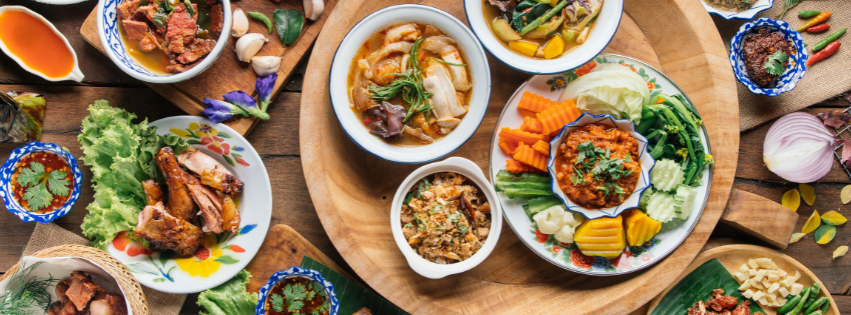
4. We Don’t Say “How Are You?”
In Thailand, we show care by asking:
“กินข้าวหรือยัง?” (Gin kâao rĕu yang?)
Translation: “Have you eaten yet?”
This reflects how deeply food is tied to love and well-being in Thai culture. It’s not just a question—it’s a way of saying, “I care about you.”
5.We Use a Lot of Plastic (Still)
Although awareness is growing, single-use plastic is still very common in Thailand.
From street food wrapped in plastic bags to iced coffee in tied plastic cups
it’s part of the street culture, though efforts are being made to reduce usage.
6.Bangkok is Super Modern! 🏙️
Don’t be surprised to find ultra-modern skyscrapers, luxury shopping malls, skytrains, and trendy cafes right next to ancient temples.
Bangkok is a mix of the old and new vibrant, chaotic, and incredibly exciting!
7.So Many Dialects!
Thailand isn’t just about one language.
Apart from Central Thai, people speak Isaan (Northeastern Thai), Northern Thai (Kam Mueang), and Southern Thai
each with its own accent, vocabulary, and charm. It’s a linguistically rich country!
8.Shopping Malls Are a Big Deal 🛍️
In Thailand, shopping malls are more than just stores.
They’re hangout spots, especially for families and teens. With air-conditioning (a must!), restaurants, cinemas, gyms, playgrounds even salons and co-working spaces malls are the perfect escape from the heat!!
9. We Believe in Auspicious Timing
Important decisions in life? We consult the calendar first.
Thais often choose a lucky date and time to get married, have a baby, buy a car, or open a new business. It’s all about starting things on the right foot with blessings and good fortune.
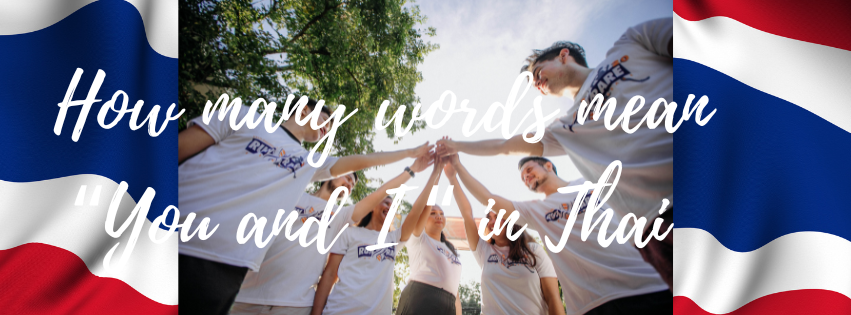
🇹🇭 How to Say “You and I” in Thai
Thai is a language rich in social nuance, and one of the most fascinating aspects is the many different ways to say “you and I.” Unlike English, where we mostly just say “you” and “I,” Thai has dozens of variations depending on formality, gender, age, relationship, and tone.
Let’s explore them!
🔹 1. Standard & Polite Forms
These are safe to use in most situations, especially if you’re learning Thai or speaking to someone you don’t know well.
| Thai | Phonetic | Meaning |
| คุณกับฉัน | khun gàp chăn | You and I (female speaker) |
| คุณกับผม | khun gàp phŏm | You and I (male speaker) |
• คุณ (khun) = polite “you”
• ฉัน (chăn) = polite “I” (for females)
• ผม (phŏm) = polite “I” (for males)
🔹 2. Casual or Friendly Thai
Used with friends or people your age, these words are less formal but still warm and friendly.
| Thai | Phonetic | Meaning |
| เธอกับเรา | ter gàp rao | You and I (friendly tone) |
| แกกับเรา | gae gàp rao | You and I (very casual) |
• เธอ (ter) = friendly “you”
• แก (gae) = casual/slang “you”
• เรา (rao) = “I” or “we” depending on context
🔸 Note: “เรา” is special—it can mean “I,” “me,” “we,” or “us”!
🔹 3. Romantic or Intimate Speech
Couples often use cute or soft words to refer to each other.
| Thai | Phonetic | Meaning |
| ตัวกับเค้า | dtua-eehng gàp kháo | You and I (sweet tone) |
| เค้ากับตัว | kháo gàp dtua-eehng | I and you (romantic) |
• ตัว (dtua-eehng) = endearing “you”
• เค้า (kháo) = soft “I” (used in love talk)
❤️ These are often used by couples, especially in chats or cute conversations.
🔹 4. Social Titles as Pronouns
Thai people often use family or social roles instead of personal pronouns. This shows respect and reflects the relationship.
| Thai | Phonetic | Relationship Context |
| พี่กับน้อง | phîi gàp nóhng | Older person and younger person |
| ลุงกับป้า | lung gàp bpâa | Elder man and woman |
• พี่ (phîi) = older sibling (can be “I” or “you”)
• น้อง (nóhng) = younger sibling
• ลุง (lung) = uncle / older man
• ป้า (bpâa) = aunt / older woman
👨👩👧👦 These are not just titles! they function like “you” and “I” depending on the context.
🔹 5. Slang or Vulgar (Use with Care!)
These are very informal and often used between very close friends or during arguments. Be cautious using them!
| Thai | Phonetic | Meaning |
| กูกับมึง | guu gàp mueng | I and you (slang/rude) |
| มึงกับกู | mueng gàp guu | You and I (slang/rude) |
⚠️ Be careful! These words can sound aggressive unless you are very close to the person.
• กู (guu) = rough or intimate “I”
• มึง (mueng) = rough or intimate “you”

🔸 Final Thoughts
Saying “you and I” in Thai isn’t just about grammar—it’s about culture, respect, and connection. When you choose the right pronoun, you’re not just speaking the language—you’re showing that you understand Thai society.
So next time you want to say “you and I,” ask yourself:
• Are we close?
• Is this formal or casual?
• Am I older or younger?
• Do I want to be sweet or respectful?
Mastering this can help you sound more natural, polite, or affectionate—just like a native speaker! 🇹🇭✨
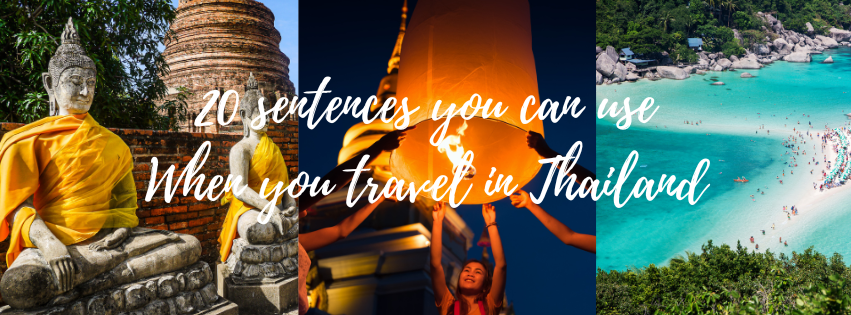
20 sentences you can use everyday in Thailand 🇹🇭
1.Hi
สวัสดี
sà-wàt-dii
2.Thank you
ขอบคุณ
khòhp-khun
3.Sorry
ขอโทษ
khǒh-thôot
4.No worries
ไม่เป็นไร
mâi bpen rai
5.I don’t take it
ฉันไม่เอา
chǎn mâi ao
(ผมไม่เอา / pŏm mâi ao — for male speaker)
6.Where is the toilet?
ห้องน้ำอยู่ที่ไหน
hôhng-nám yùu thîi nǎi
7.Where is the elevator?
ลิฟต์อยู่ที่ไหน
lít yùu thîi nǎi
8.Where is the exit?
ทางออกอยู่ที่ไหน
thaang-òrk yùu thîi nǎi
9.Where is the escalator?
บันไดเลื่อนอยู่ที่ไหน
ban-dai-lûuean yùu thîi nǎi
10.Are there any restaurants nearby?
แถวนี้มีร้านอาหารไหม
thǎeo-níi mii ráan aa-hǎan mái
11.Are there any coffee shops nearby?
แถวนี้มีร้านกาแฟไหม
thǎeo-níi mii ráan gaa-fae mái
12.I don’t want the plastic bag.
ฉันไม่เอาถุงพลาสติก
chǎn mâi ao thǔng phláat-sa-dtìk
(ผมไม่เอาถุงพลาสติก / pŏm mâi ao thǔng phláat-sa-dtìk — for male speaker)
13.I don’t want the straw.
ฉันไม่เอาหลอด
chǎn mâi ao lòht
(ผมไม่เอาหลอด / pŏm mâi ao lòht — for male speaker)
14.I want this one.
ฉันเอาอันนี้
chǎn ao an níi
(ผมเอาอันนี้ / pŏm ao an-níi — for male speaker)
15.I want that one.
ฉันเอาอันนั้น
chǎn ao an nán
(ผมเอาอันนั้น / pŏm ao an-nán — for male speaker)
16.Can you give me discount?
ลดราคาให้หน่อยได้ไหม
lót raa-khaa hâi nòy dâi mái
17.Can I use credit card for payment?
จ่ายด้วยบัตรเครดิตได้ไหม
jàai dûuai bàt khree-dìt dâi mái
18.Can you stop here!
หยุดตรงนี้ได้ไหม
yùt dtrong níi dâi mái
19.No chilies please!
ไม่เอาพริกนะ
mâi ao phrík ná
20.I can’t eat spicy food.
ฉันกินเผ็ดไม่ได้
chǎn gin phèt mâi dâi
(ผมกินเผ็ดไม่ได้ / pŏm gin pèt mâi-dâi — for male speaker)
Don’t forget to add the polite ending word at the end of the sentences
ค่ะ khâ for female speakers
ครับ khráp for male speakers